Floors and Compton’s Presale Inspection
Compton requires a presale inspection report before a home sells, and the inspector walks every room and closet. Soft spots, trip hazards and damaged flooring can show up on that report. We provide a written scope and repair the floor items flagged, giving the seller a clear record for escrow.
Rental Floor Turnover Between Tenants
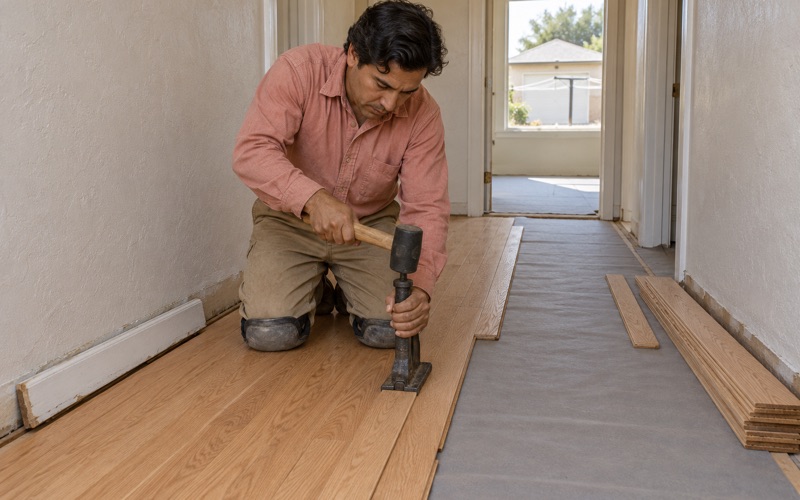
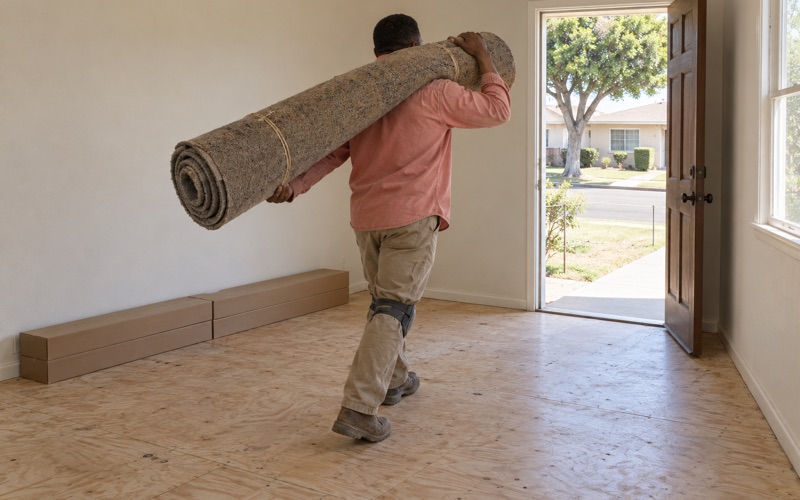
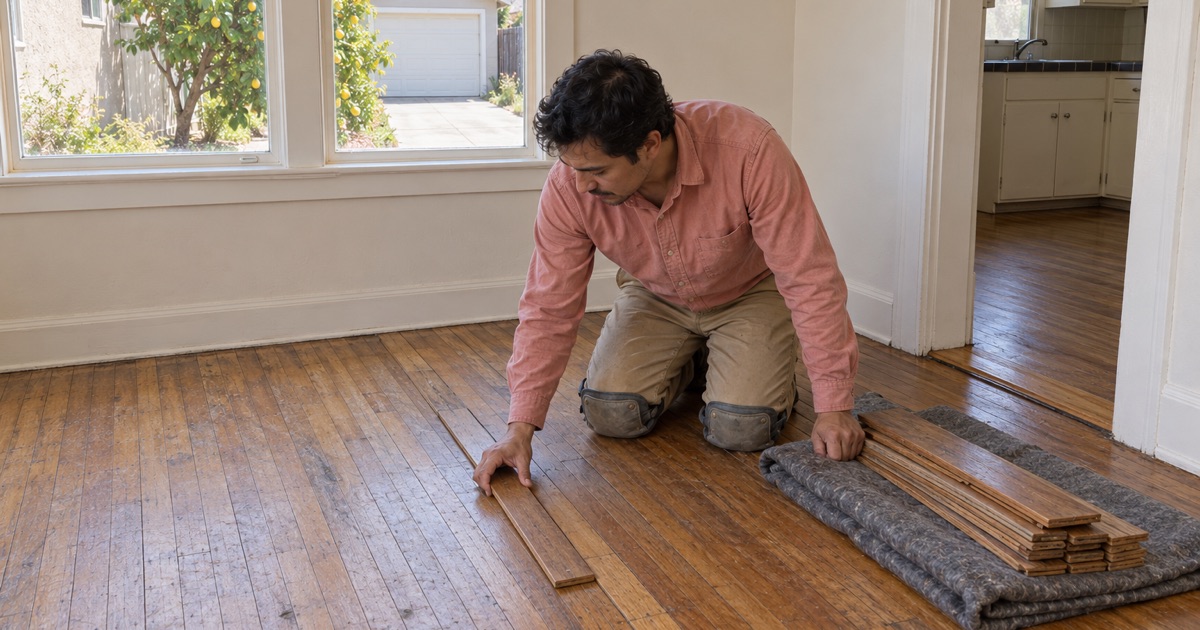
A rental unit between tenants often needs a quick recoat, a few replaced boards or a full refinish in high-traffic rooms. We schedule turnover work tightly, work around other trades, and deliver an itemized invoice for your records. A clean, sound floor also lowers wear-related damage claims later.
Housing-Voucher Floor Inspections
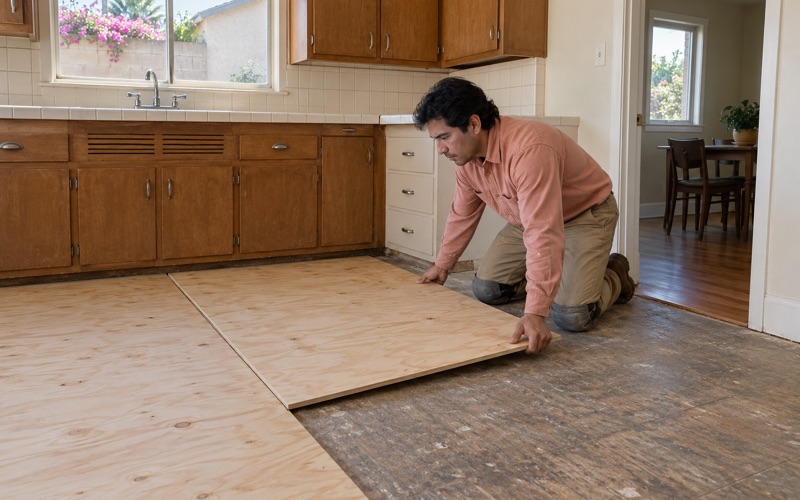
Units rented through a Housing Choice Voucher are inspected under HUD’s NSPIRE inspection standard, which looks for trip hazards and damaged flooring. We repair lifted boards, soft spots and failed finish that could fail an inspection. Our written invoice gives the landlord proof the work was done before the reinspection.
Security Deposits and Floor Damage
Under California Civil Code 1950.5, a landlord can deduct from a security deposit only for damage beyond ordinary wear and tear, and must itemize those deductions. We document floor condition with photos and itemized repair estimates so the line between wear and damage is clear. That protects both landlords and tenants at move-out.
Insurance Claims on Wet Wood Floors
Water damage claims move faster when the evidence is organized. We record moisture readings, photograph the affected boards and subfloor, trace the source, and write a repair scope an adjuster can review. When a repair would leave mismatched boards, we note it, since California claims standards address a reasonably uniform appearance.
Repairing Floors After Termite Treatment
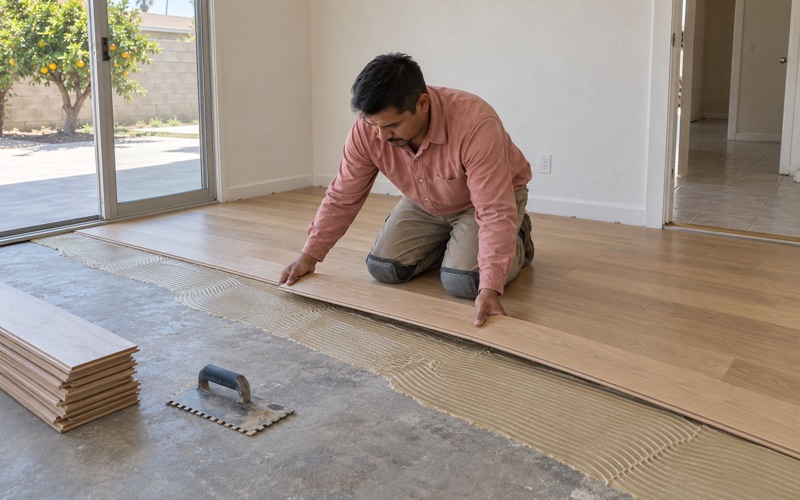
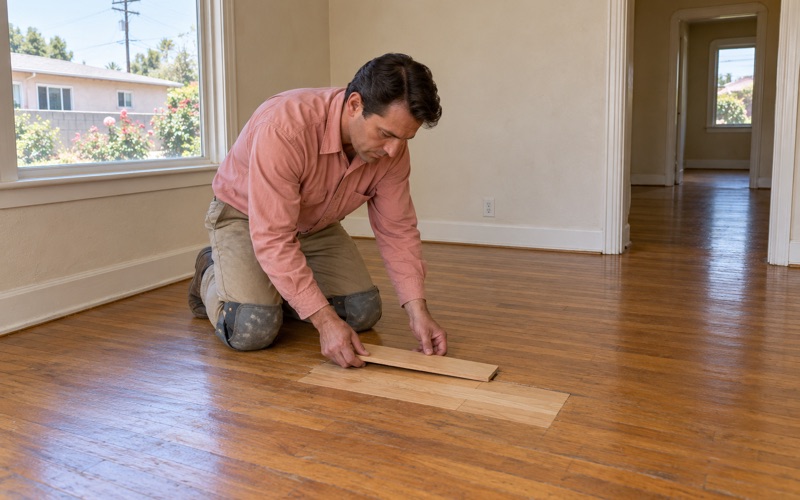
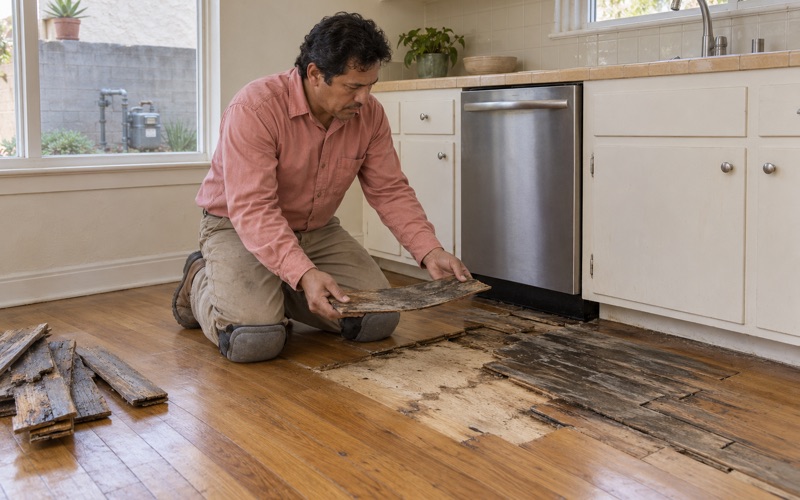
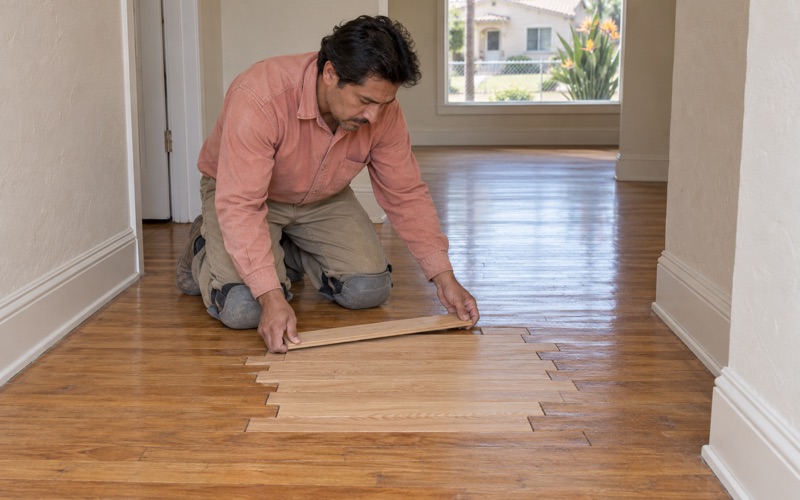
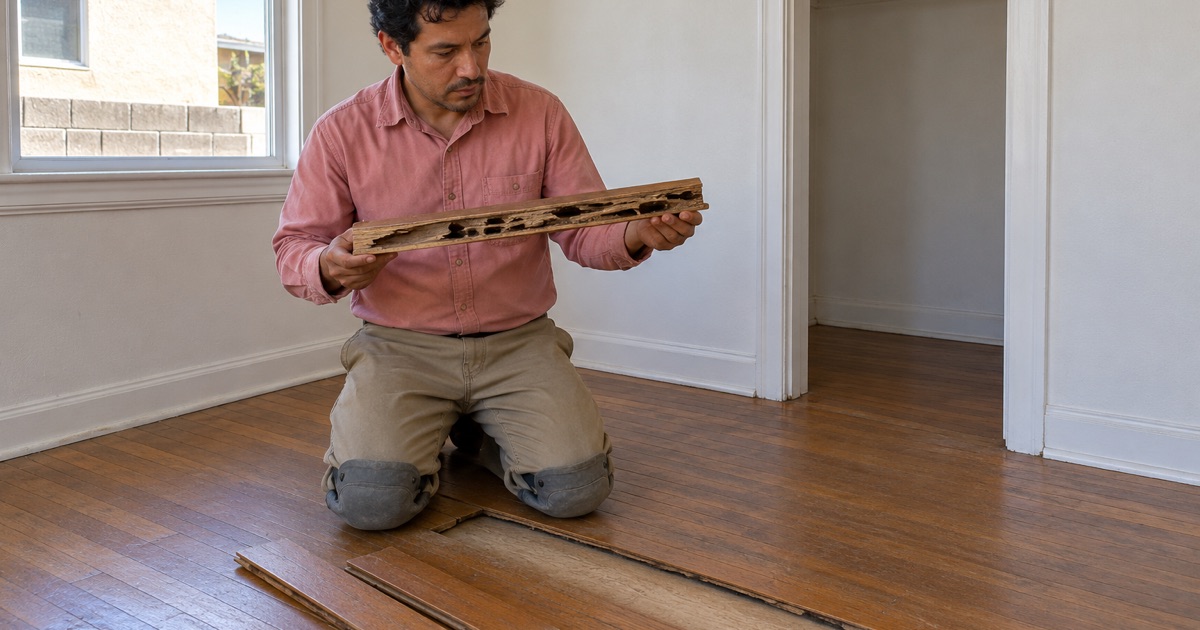
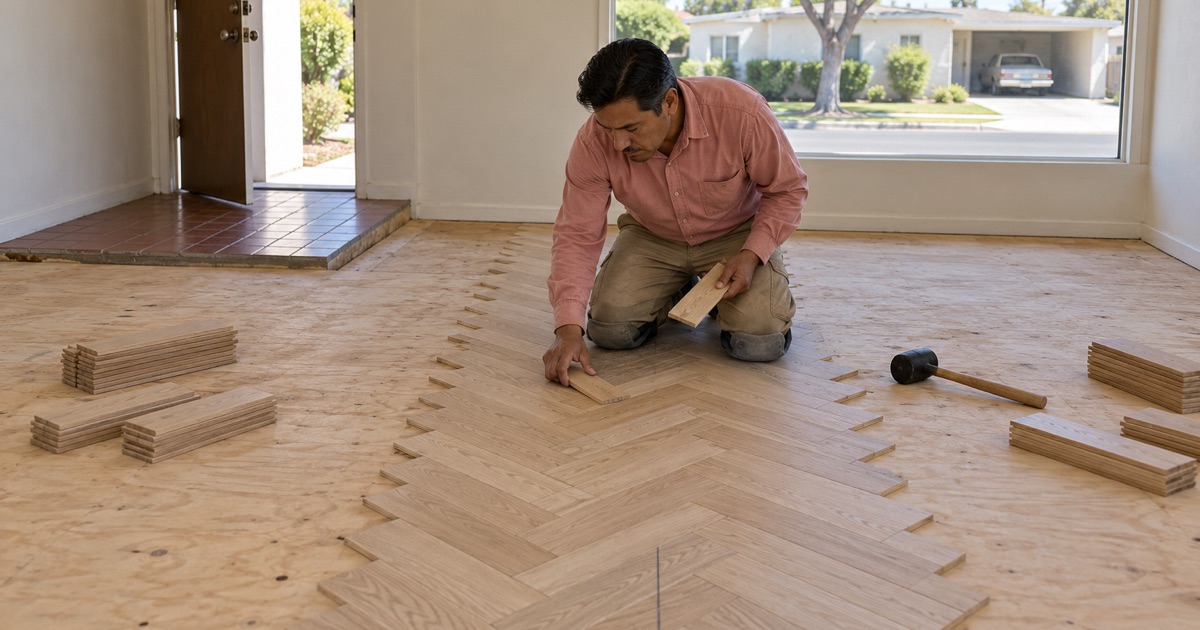
After a pest company treats for drywood or subterranean termites, damaged boards and framing still have to be replaced. We cut out damaged wood, sister or replace compromised joists where needed, and weave in matched boards. The floor is left sound rather than just treated.
Old Floor Tile and Black Mastic
Many older homes have 9x9 asbestos floor tile or black mastic adhesive under newer flooring. We treat those materials as a possible asbestos question and recommend an asbestos survey before anything is sanded, scraped or pulled up. SCAQMD Rule 1403 governs asbestos removal in this region, so that step comes first.
Lead-Safe Work in Pre-1978 Homes
Most Compton houses were built before 1978, when lead paint was still in use. The EPA Renovation, Repair and Painting rule and California’s Health and Safety Code 105254 call for lead-safe work practices in that housing. We contain dust, protect trim and clean up with methods designed for lead, especially near painted baseboards and shoe molding.
Low-VOC Finishes and South Coast Air Rules
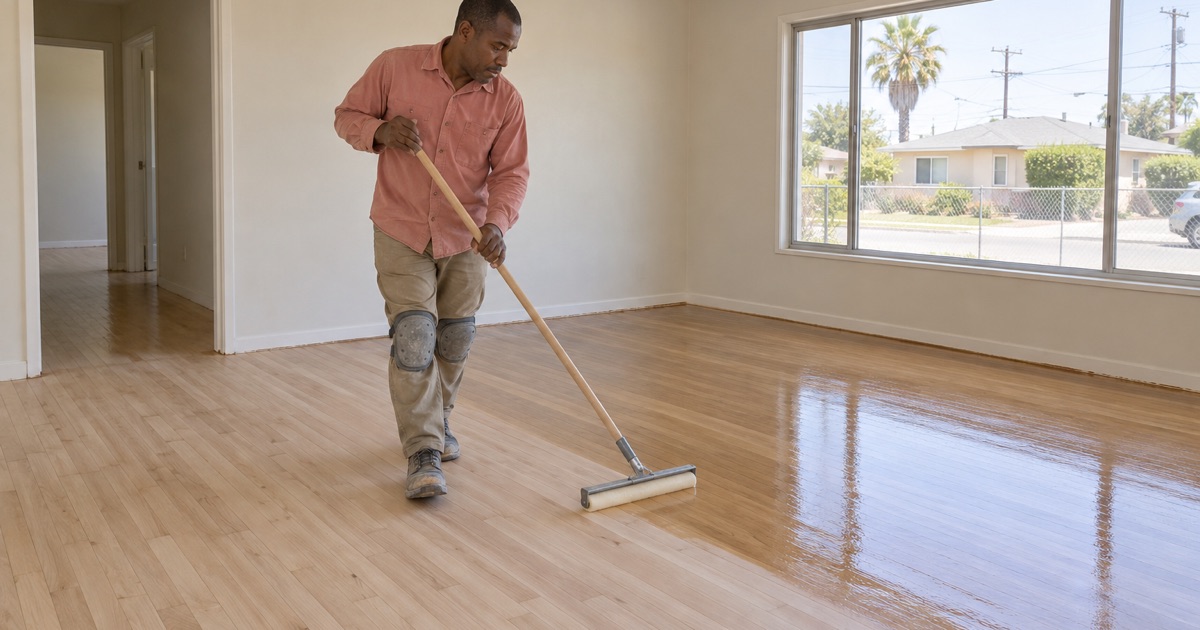
The South Coast Air Quality Management District sets a 275 g/L VOC limit for wood coatings under Rule 1113. We use waterborne polyurethane, compliant oil-modified products and hardwax oil finishes that meet that limit. Lower-VOC finishes also mean less odor while you are living in the house.
Staying Home During Floor Work
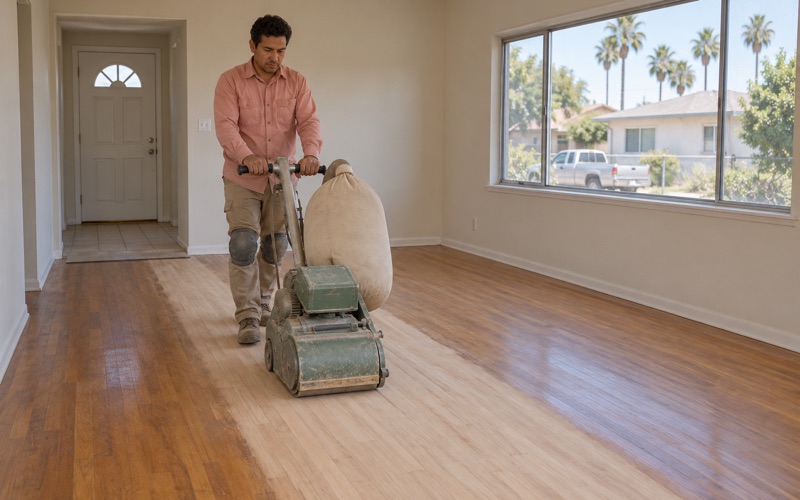
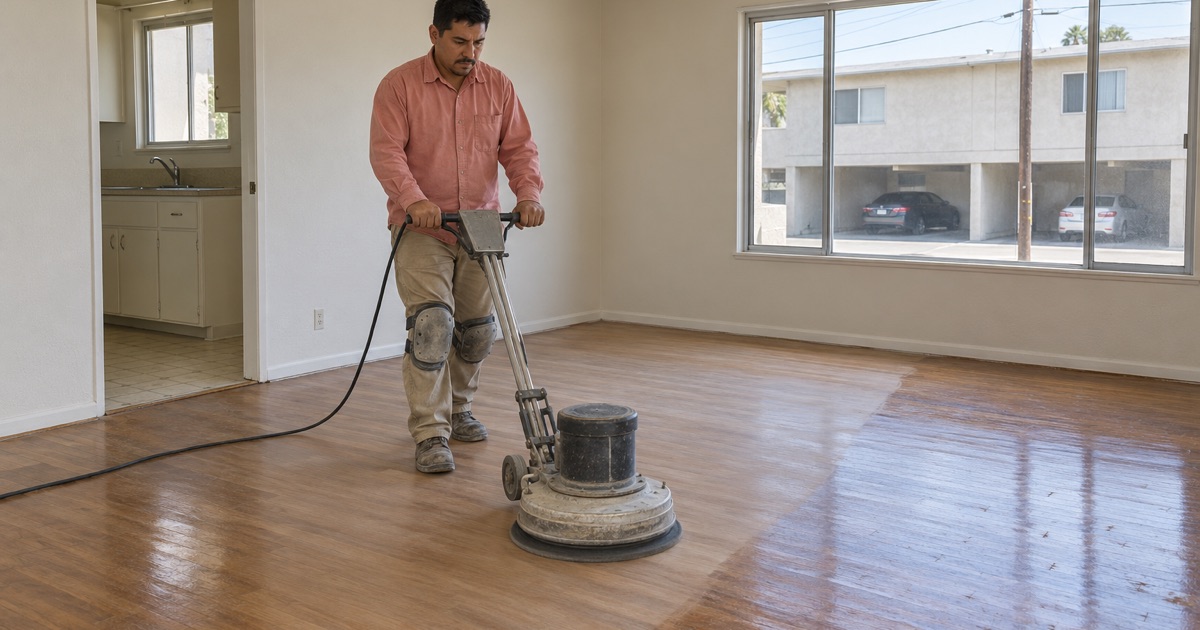
Most clients stay in the house while we work. We seal off rooms, use a dustless sanding system, and sequence the work so kitchens and bathrooms stay reachable. We also tell you how long each coat needs before furniture, rugs and pets can go back on it.